.png)

The european pasta & olive oil markets: data, trends, and the opportunity for premium & protein-rich products
Date :
Dec 8th, 2025
Category :
Distribution & Retail
Duration :
6 minutes

For brands positioning themselves on healthier, premium, or alternative food products, the European market represents both a solid foundation and a complex competitive landscape. Pasta and olive oil, two pillars of everyday European consumption, illustrate particularly well how mature categories can still offer meaningful opportunities for innovation and differentiation. Contrary to what their long history might suggest, both markets are far from static. Shifts in consumer behavior, health awareness, and purchasing criteria are reshaping demand and opening the door to new entrants capable of delivering real value beyond price.
Understanding the size, structure, and evolution of these markets is essential for any brand seeking to introduce protein-rich pasta, legume-based alternatives, gluten-free products, or premium olive oils. The opportunity is not about replacing traditional products, but about complementing them with differentiated propositions that align with emerging consumer expectations.
1. The european pasta market: a massive, stable base with changing expectations
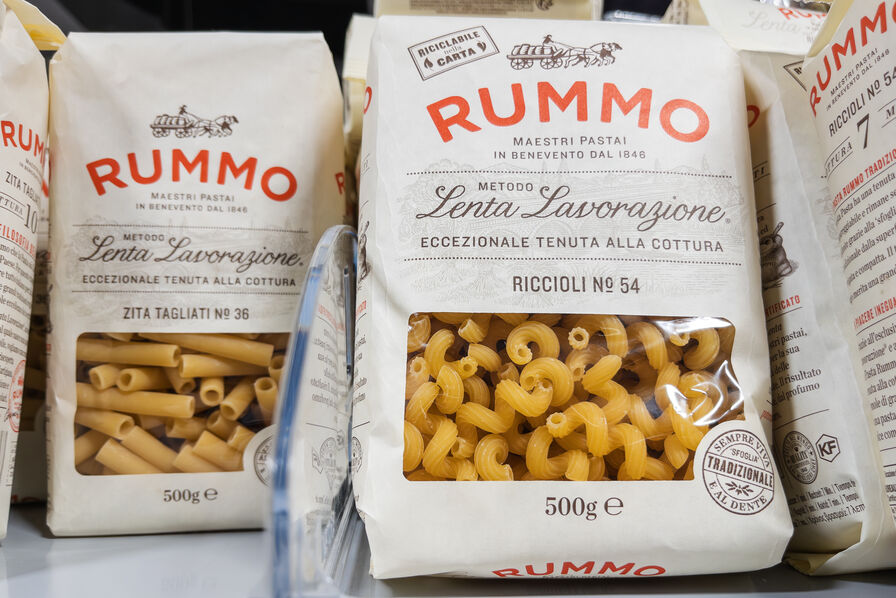
Pasta is deeply embedded in European food culture. From Italy and Southern Europe to Northern and Eastern markets, pasta is consumed across income levels, age groups, and lifestyles. Its role as an affordable, convenient, and versatile staple has historically made it a low-risk, high-volume category dominated by large incumbents.
In 2024, the European pasta market was estimated at approximately USD 24.25 billion. This figure alone highlights the strategic importance of the category. More interestingly, forecasts suggest that this market could grow at a compound annual growth rate of around 5.8 percent between 2025 and 2033, reaching an estimated USD 40.35 billion by 2033. For a category often perceived as mature or even saturated, this level of growth is significant.
This growth is not driven by increasing consumption volume of traditional wheat pasta alone. Instead, it reflects a combination of population dynamics, premiumization, value-added products, and the diversification of consumer needs.
1.1 Traditional pasta still dominates, but no longer defines the category alone
Classic wheat-based pasta remains the backbone of the market. It benefits from strong cultural roots, established cooking habits, and a high level of trust among consumers. For many households, pasta is still a default meal option, particularly for families and budget-conscious shoppers.
However, while traditional pasta continues to dominate in terms of volume, it is increasingly complemented by alternative formats and recipes. Consumers are no longer evaluating pasta solely on price and cooking time. Nutritional value, ingredient quality, digestibility, and alignment with specific diets now play a more prominent role in purchasing decisions.
This shift does not mean consumers are abandoning traditional pasta, but rather that they are selectively integrating new options into their diets. For example, a household may continue to buy standard pasta for everyday meals, while choosing high-protein or legume-based pasta for specific use cases such as post-sport meals, weight management, or plant-based diets.
1.2 Health, diet, and lifestyle as growth drivers
One of the most important structural drivers behind the market’s evolution is the growing focus on health and nutrition. Across Europe, consumers are increasingly aware of issues related to sugar intake, refined carbohydrates, protein balance, and gluten sensitivity. This awareness is not limited to niche audiences but has become mainstream, influencing purchasing behavior even among traditional consumers.
Several trends converge here. Gluten-free diets, once associated mainly with medical necessity, are now also perceived by some consumers as a healthier or lighter alternative. High-protein diets, driven by sports, fitness, and weight management culture, are also gaining wider adoption beyond athletes. At the same time, flexitarian and plant-based lifestyles encourage the consumption of legumes and alternative protein sources.
Pasta, as a neutral and familiar format, is particularly well positioned to absorb these trends. Legume-based pasta made from chickpeas, lentils, peas, or beans offers higher protein and fiber content while maintaining a recognizable shape and usage. For consumers, this lowers the psychological barrier to adoption compared to entirely new food formats.

Another key dynamic is premiumization. Traditionally, pasta has been perceived as a low-cost staple with limited differentiation. This perception is changing. Consumers are increasingly willing to pay more for products that offer superior quality, better ingredients, or a clear functional benefit.
Premium pasta propositions can take several forms: organic sourcing, artisanal production methods, improved texture and taste, or specific nutritional profiles. Even packaging and branding play a growing role in signaling value and quality at the shelf.
This trend creates space for new brands to position themselves not against mass-market leaders on price, but alongside them as a complementary choice. In saturated shelves, being different and clearly positioned is often more effective than trying to compete head-on.
2. Strategic opportunities for alternative and protein-rich pasta brands
The combination of a large installed consumer base and evolving expectations creates two main strategic opportunities for innovative pasta brands.
The first opportunity lies in capturing a share of incremental growth. As the overall market expands, retailers and distributors are more open to experimenting with new references that respond to emerging demand. Brands that establish shelf presence early in growing subcategories, such as high-protein or legume-based pasta, can benefit from category expansion without needing to displace established players immediately.
The second opportunity lies in differentiation through value-add. Instead of treating pasta as a generic commodity, alternative brands can redefine it as a functional food. By clearly articulating nutritional benefits, ingredient transparency, and use cases, these products can justify higher price points and build stronger brand loyalty.
However, success in this space depends on more than nutrition alone. Taste, texture, and ease of use remain critical. Consumers may try alternative pasta once out of curiosity, but repeat purchases depend on satisfaction. Brands that manage to match or closely approximate the sensory experience of traditional pasta while delivering added nutritional value have a clear advantage.
3. The european olive oil market: from commodity to choice
Olive oil occupies a unique position in European food culture. In many countries, it is not just an ingredient but a symbol of tradition, health, and regional identity. Unlike pasta, olive oil already enjoys a strong association with quality and wellness, but this association is undergoing a transformation.
As of 2025, the broader European olive market is expected to reach approximately 2.77 million metric tons, with forecasts suggesting growth toward 3.49 million metric tons by 2030. While this figure includes olives as an agricultural category, olive oil remains the most economically and culturally significant derivative.
3.1 A market shaped by quality, provenance, and trust
Historically, much of the olive oil sold in Europe has been treated as a commodity product. Many consumers purchased generic bottles with limited information on origin, production method, or freshness. This is changing. Food scandals, increased awareness of fraud, and a broader interest in traceability have made consumers more attentive and sometimes skeptical.
As a result, extra-virgin olive oil, once a premium niche, is increasingly becoming the default choice for consumers who can afford it. Even within extra-virgin olive oil, differentiation is growing. Origin, harvest method, acidity level, sustainability practices, and bottling transparency all contribute to perceived value.
This evolution favors brands that can tell a clear, credible story. Provenance is no longer a marketing bonus; it is becoming a requirement for consumers who want to trust what they buy.
3.2 Premium olive oil as a brand category

Premium olive oil is now less about luxury and more about authenticity and functionality. Consumers associate high-quality olive oil with health benefits, particularly related to cardiovascular health, anti-inflammatory properties, and overall diet quality.
For many households, olive oil has shifted from being a background ingredient to an intentional choice. Some consumers keep multiple bottles for different uses, such as everyday cooking versus finishing dishes. This behavior mirrors what happened in categories like wine or coffee, where education and storytelling elevated everyday products into experiential ones.
For new entrants, including non-European or U.S.-based brands, this context offers a clear entry point. Rather than competing on volume or price, brands can position themselves around sourcing, sustainability, and craftsmanship. European consumers, especially in urban and higher-income segments, are receptive to well-positioned newcomers if credibility is established.
4. Why these two markets matter together
Pasta and olive oil are often consumed together, both literally and strategically. From a brand portfolio perspective, they represent complementary categories that respond to similar consumer motivations: convenience without compromise, tradition with a modern twist, and everyday products made better.
For alternative pasta brands, pairing with premium olive oil partnerships or co-branding initiatives can reinforce a shared narrative around quality and health. For olive oil brands, aligning with innovative food products can signal modernity and relevance to younger consumers.
Both categories benefit from clear positioning and education. Success is rarely driven by technical superiority alone. It depends on the ability to communicate why a product is different, who it is for, and how it fits into existing habits without adding friction.
Entry strategies and execution considerations

Despite the opportunities, entering the European pasta or olive oil markets requires discipline and strategic focus. Distribution remains a key challenge, particularly in retail environments where shelf space is limited and competition is intense.
Brands often benefit from phased entry strategies, starting with targeted markets, online channels, or specialized retailers before scaling. Pilot launches allow for testing pricing, messaging, and product-market fit without excessive upfront investment.
Equally important is aligning product claims with regulatory requirements and consumer expectations. Overpromising on health benefits without clear evidence can erode trust quickly, especially in categories where consumers are increasingly informed.
Conclusion
The European pasta and olive oil markets illustrate how even the most traditional food categories can evolve and create space for innovation. Strong market fundamentals, combined with changing consumer priorities, make them fertile ground for premium and alternative brands willing to think beyond commodity positioning.
For protein-rich and legume-based pasta brands, the opportunity lies in leveraging a massive, stable consumption base while meeting growing demand for healthier, more functional foods. For olive oil brands, the shift toward quality, traceability, and meaningful storytelling opens the door to premium positioning in a market ready to reward transparency and authenticity.
In both cases, success depends less on disrupting existing habits and more on enhancing them. Brands that understand this nuance, and execute with clarity and credibility, are well positioned to capture long-term value in the evolving European food landscape.